Introduction
In times of emergency situation, the capability to carry out Cardiopulmonary Resuscitation (MOUTH-TO-MOUTH RESUSCITATION) can be the difference between life and fatality. In Australia, comprehending the CPR qualification requirements is essential for any person wanting to come to be a certified rescuer. This comprehensive guide will delve into what you need to know about mouth-to-mouth resuscitation certification in Australia, consisting of training choices, legitimacy of certifications, age-specific standards, and more.
CPR Qualification Requirements in Australia: What You Required to Know
What is CPR?
Cardiopulmonary Resuscitation (MOUTH-TO-MOUTH RESUSCITATION) is an emergency situation procedure performed when someone's heart stops beating or they quit taking a breath. It integrates upper body compressions with rescue breaths to preserve blood flow and oxygenation up until professional clinical help arrives.
Why is CPR Important?
The important importance of CPR can not be overemphasized-- it conserves lives. According to stats from the Australian Resuscitation Council, immediate mouth-to-mouth resuscitation can increase or triple a target's possibility of survival after heart attack.
Understanding mouth-to-mouth resuscitation Certification
To become accredited in mouth-to-mouth resuscitation, people need to undertake training with recognized organizations. Accreditations commonly include hands-on abilities practice and academic expertise about heart emergencies.
Types of mouth-to-mouth resuscitation Training Available
Basic Life Assistance (BLS) vs. Advanced Life Assistance (ALS)
- Basic Life Assistance (BLS) concentrates on essential methods including upper body compressions and rescue breaths. Advanced Life Assistance (ALS) covers more intricate procedures such as advanced air passage administration and medication administration.
Online vs. In-Person Training
- Online mouth-to-mouth resuscitation certification offers versatility yet may do not have hands-on experience. In-person courses offer practical skills technique vital for reliable feedback in emergencies.
CPR Accreditation Process
Choosing a Training Provider
When seeking training, guarantee that your picked provider is accredited by reliable organizations like the Australian Resuscitation Council or St John Ambulance.
Course Period and Content
Most basic training courses last concerning 4 hours and cover:
- Adult mouth-to-mouth resuscitation techniques Use of Automated External Defibrillators (AED) Recognition of cardiac arrest signs
CPR Certification Validity
How Long Does a Mouth-to-mouth Resuscitation Certification Last?
Typically, a mouth-to-mouth resuscitation certificate remains legitimate for 3 years before needing revival. It is crucial to remain updated with the most recent protocols and guidelines.
Renewing Your Certification
Renewal typically involves taking a correspondence course that takes another look at vital skills and updates guests on any changes in guidelines.
Age-Specific CPR Guidelines Australia
Adult vs. Youngster vs. Baby mouth-to-mouth resuscitation Techniques
Different age require customized techniques:
- For adults, focus on compression depth and rate. For children, adjust compression deepness based on size. Infant CPR technique includes gentle compressions and careful ventilation.
Infographic: Age-Specific Techniques
|Age|Compression Depth|Ratio|| -----------|-------------------|-------|| Adults|5-6 cm|30:2|| Kids|4-5 centimeters|30:2|| Infants|1.5 centimeters|30:2|
CPR Equipment in Australia
Essential Gear for Reliable Response
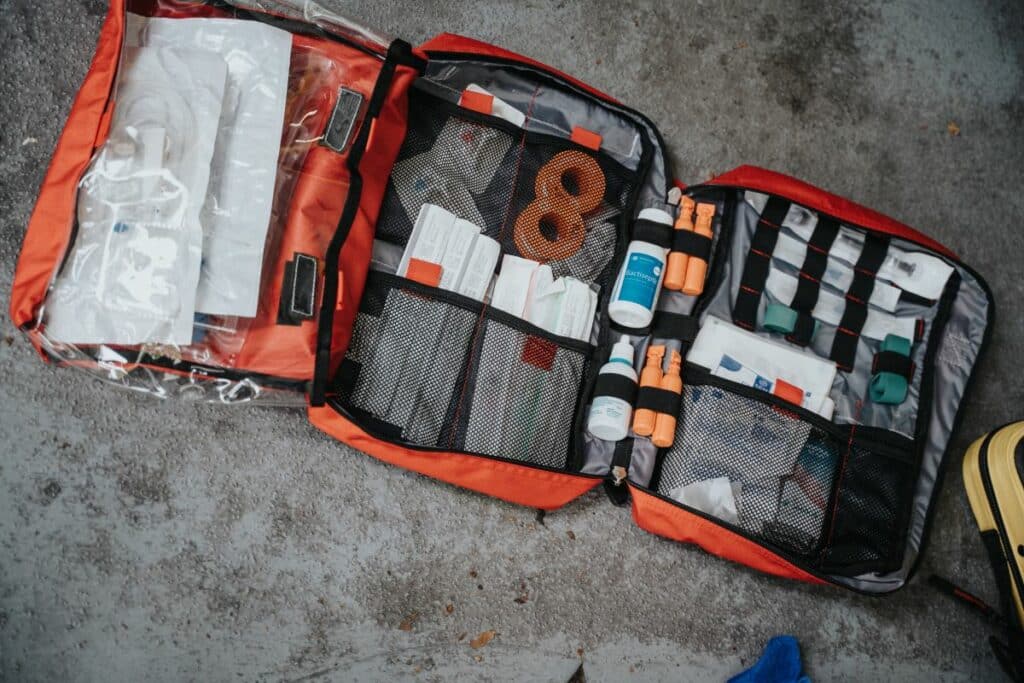
Having access to appropriate CPR equipment help successful resuscitation initiatives:

Using AED with mouth-to-mouth resuscitation in Australia
An Automated External Defibrillator can dramatically raise survival rates when utilized together with CPR-- knowing just how to make use of an AED properly is crucial for every rescuer.
Common Misconceptions Concerning CPR
The Myth of "Mouth-to-mouth Resuscitation Always Restarts Heart"
Many believe that executing mouth-to-mouth resuscitation will constantly restart a heart; however, this is misleading-- mouth-to-mouth resuscitation preserves blood circulation up until specialist help gets here yet does not ensure revival.
Debunking Various other Misconceptions
Other misconceptions include misconception compression depth or the effectiveness of rescue breaths versus hands-only approaches; education plays a crucial function in Click here to find out more dispelling these falsehoods.
Special Scenarios in Executing CPR
CPR for Drowning Victims
Drowning targets frequently call for immediate rescue breaths as a result of their one-of-a-kind scenarios; comprehending this context improves results significantly.
Sports-Related Cardiac Arrest Procedures
Recognizing indications specific to athletes assists -responders act promptly-- education and learning regarding sports-related heart occurrences is essential for instructors and fitness instructors alike.
Workplace Emergency Plans
Establishing Preparedness at Workplaces
Every work environment should have an in-depth emergency strategy that includes provision for emergency treatment training like cpr and emergency treatment combo programs for employees.
Training Workers Effectively
Regular training sessions guarantee personnel are prepared-- not only does this safeguard workers however likewise enhances total work environment safety and security culture.
Frequently Asked Questions (Frequently asked questions)
Q1: Just how do I find regional CPR classes?
A1: Regional community centers or health centers typically offer courses; web sites of companies like St John Ambulance supply listings as well.
Q2: Can I get my qualification online?
A2: Yes! Many certified organizations provide online mouth-to-mouth resuscitation certification, yet ensure it includes hands-on method aspects as well.

Q3: Exists a difference between adult and kid certifications?
A3: Yes! Courses particularly tailored for infants and kids concentrate on age-specific methods which vary from those educated for adults.
Q4: How commonly should I renew my certification?
A4: Typically every three years; however, remaining updated yearly with refresher courses is highly recommended given advancing guidelines.
Q5: Exist any details regulations concerning mandatory training?
A5: While guidelines might differ by state or area, several workplaces are called for by regulation to have actually trained first responders available on-site during functioning hours.
Q6: What stats sustain the effectiveness of CPR?
A6: Studies suggest that prompt bystander-administered mouth-to-mouth resuscitation can increase survival prices from heart attack considerably-- usually increasing opportunities of person recovery compared to no intervention at all.
Conclusion
Understanding the intricacies of the CPR accreditation demands in Australia equips individuals throughout various fields-- from health care specialists to everyday citizens-- to act emphatically throughout emergencies. With appropriate training, understanding of age-specific guidelines, knowledge concerning equipment such as AEDs, and familiarity with usual misconceptions surrounding resuscitation initiatives, one can absolutely make a distinction when it matters most. Whether you're considering enrolling in local courses or checking out on-line alternatives like online cpr certification, bear in mind that each action taken in the direction of coming to be qualified contributes toward conserving lives-- a worthy search indeed!
First Aid Pro | First Aid Course Darwin (RTO 31124) is one of Australia’s leading providers of accredited First Aid and CPR training. We specialise in Basic Life Support, CPR & First Aid, Emergency Response, AED, and many other accredited courses. Our training is both convenient and comprehensive, combining online and face-to-face learning options to suit your needs. Keep your first aid certificates up to date with same-day certification upon completion. Plus, find a lower price, and we’ll instantly beat it by 10%! Conveniently located at Double Tree Hilton, Level 5/116 Esplanade, Darwin City, NT 800. Visit our website for course dates, directions and parking details.
First Aid Pro | First Aid Course Darwin (RTO 31124) is one of Australia’s leading providers of nationally accredited First Aid and CPR training. We deliver a wide range of courses, including Basic Life Support, CPR & First Aid, Emergency Response, AED training, and more. Our courses are designed to be flexible and comprehensive, offering both online and face-to-face learning options to suit your needs. You’ll receive same-day certification upon successful completion, and with our Price Beat Guarantee, if you find a lower price, we’ll beat it by 10%! Our Darwin training venue is conveniently located at DoubleTree by Hilton, Level 5, 116 Esplanade, Darwin City, NT 0800. Visit our website to check upcoming course dates, directions, and parking details, and book your spot today.